AI Agent Monitoring Playbook: Metrics, Alerts, and Reliability Operations for Production Teams

César Miguelañez
Monitoring AI agents in production is an operations discipline, not a dashboard exercise. Teams need a system that connects metrics, alerting, ownership, and post-fix validation into one reliability loop.
This playbook shows how to build that loop.
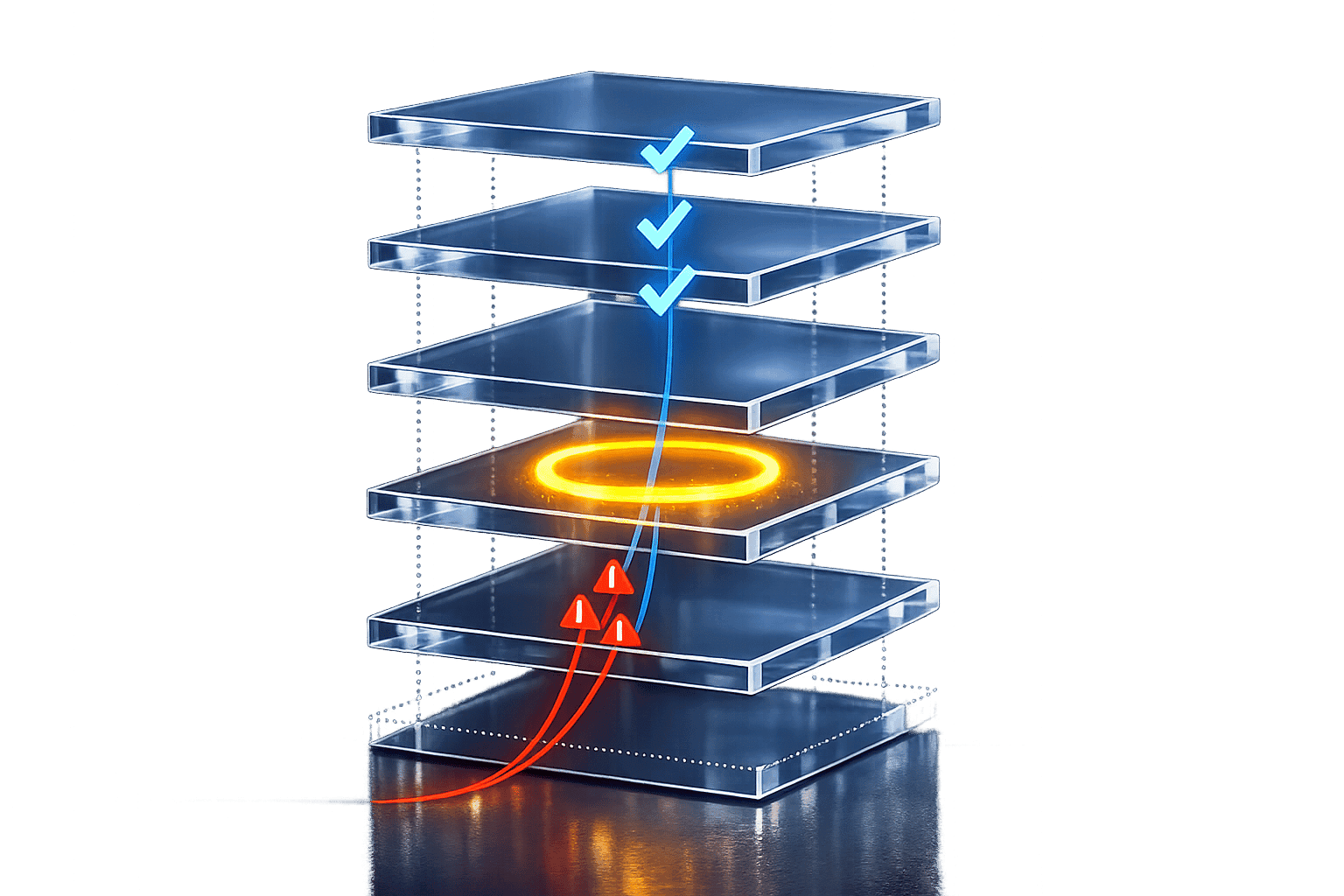
The reliability loop
1) Capture
Collect session traces, tool events, retrieval context, model versions, and policy outcomes.
2) Detect
Use behavior-focused signals to detect quality regressions early.
3) Prioritize
Route incidents by severity and user/business impact.
4) Respond
Assign owners and execute runbooks quickly.
5) Validate
Confirm fixes with targeted regression checks.
6) Learn
Feed incidents into eval updates and threshold tuning.
Core metrics to monitor
task completion rate by workflow
mean time to detect (MTTD)
mean time to resolve (MTTR)
recurrence rate by failure class
policy/safety incident rate
alert precision and false-positive rate
These metrics should drive weekly reliability decisions.
Alerting strategy
P0:
critical workflow breakage
severe policy violations
high-impact post-release regressions
P1:
sustained quality degradation in core paths
P2:
low-impact anomalies for backlog review
Alerts must include severity, owner, and recommended first action.
Triage model for scale
Cluster incidents by:
failure taxonomy
workflow segment
model/prompt/tool version
user-impact profile
Pattern-level triage reduces repetitive manual investigation.
Weekly cadence
Daily:
review and resolve P0/P1 incidents
validate active mitigations
Weekly:
tune alert thresholds
review top recurring clusters
promote key incidents into eval suites
Monthly:
audit runbooks, ownership, and metric quality
retire low-signal alerts
Common anti-patterns
alert sprawl without severity discipline
no owner mapping for major failure classes
no post-fix validation process
no observability-to-eval feedback loop
static thresholds despite model or prompt changes
Final takeaway
Reliable AI agent operations come from closed-loop discipline. The best monitoring setup continuously turns production signals into faster fixes and stronger release confidence.
FAQ
How many metrics should we start with?
Start with a small core set tied to business impact and incident response speed.
Should all incidents create new alerts?
No. Focus alerting on high-impact and recurring failure patterns.
How often should thresholds change?
Weekly in fast-changing systems, then monthly once behavior stabilizes.